
Package Design for Coffee: From Ideation to Production
What does the process look like for designing and implementing package design for a coffee roaster?
For most roasters, it starts with a great product and a rough idea of how they want it to feel on the shelf. The challenge is turning that idea into packaging that actually works in the real world, across retail, e-commerce, subscriptions, and wholesale.
The process begins with understanding the coffee itself. Origin, roast profile, sourcing story, freshness standards, and where the coffee will be sold all shape the direction. A single origin sold in boutique shops needs different packaging than a subscription coffee shipping nationwide. The product always leads the design.
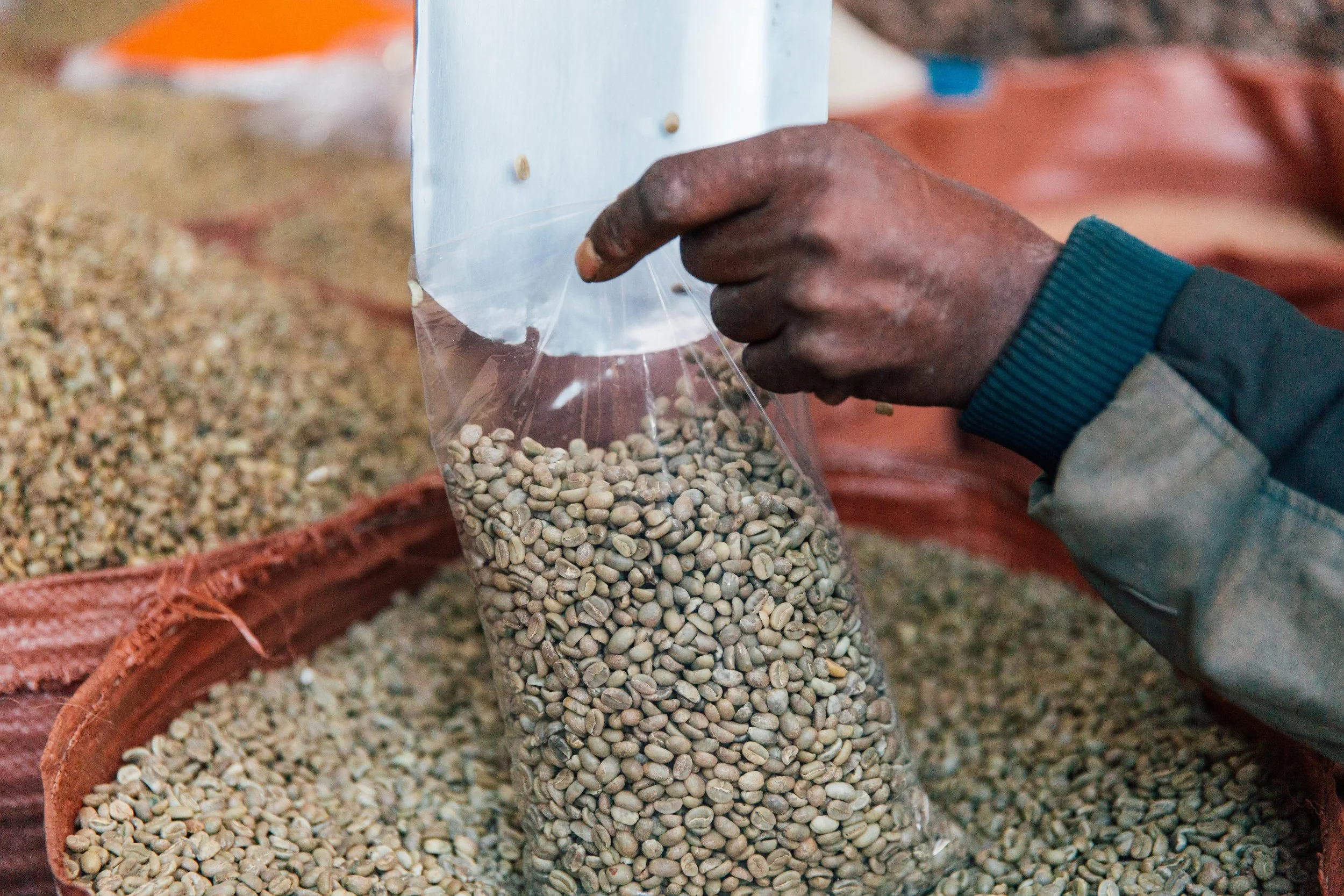
Materials come into play early. Coffee is sensitive to oxygen, moisture, light, and heat, so the bag must protect the beans as much as it presents the brand. Shelf life matters. If the coffee will live in retail, material choice becomes even more critical. This is also where the degassing valve is decided. Most fresh-roasted coffee needs a one-way valve to release carbon dioxide without letting oxygen back in. Without it, bags can swell, shelf life drops, and flavor quality can suffer.
Once the functional needs are clear, brand alignment comes next. If the roaster already has a logo and identity, the packaging must match and strengthen it. If the brand still feels loose, packaging often becomes the first place where the brand truly gets defined. Color, typography, illustration, tone, and layout all come together as a system rather than separate design choices.
From there, structure and format get locked in. Decisions like bag size, finish, reseal features, valve placement, durability for shipping, and sustainability goals all shape how the packaging feels in a customer’s hands and how it performs in daily use.
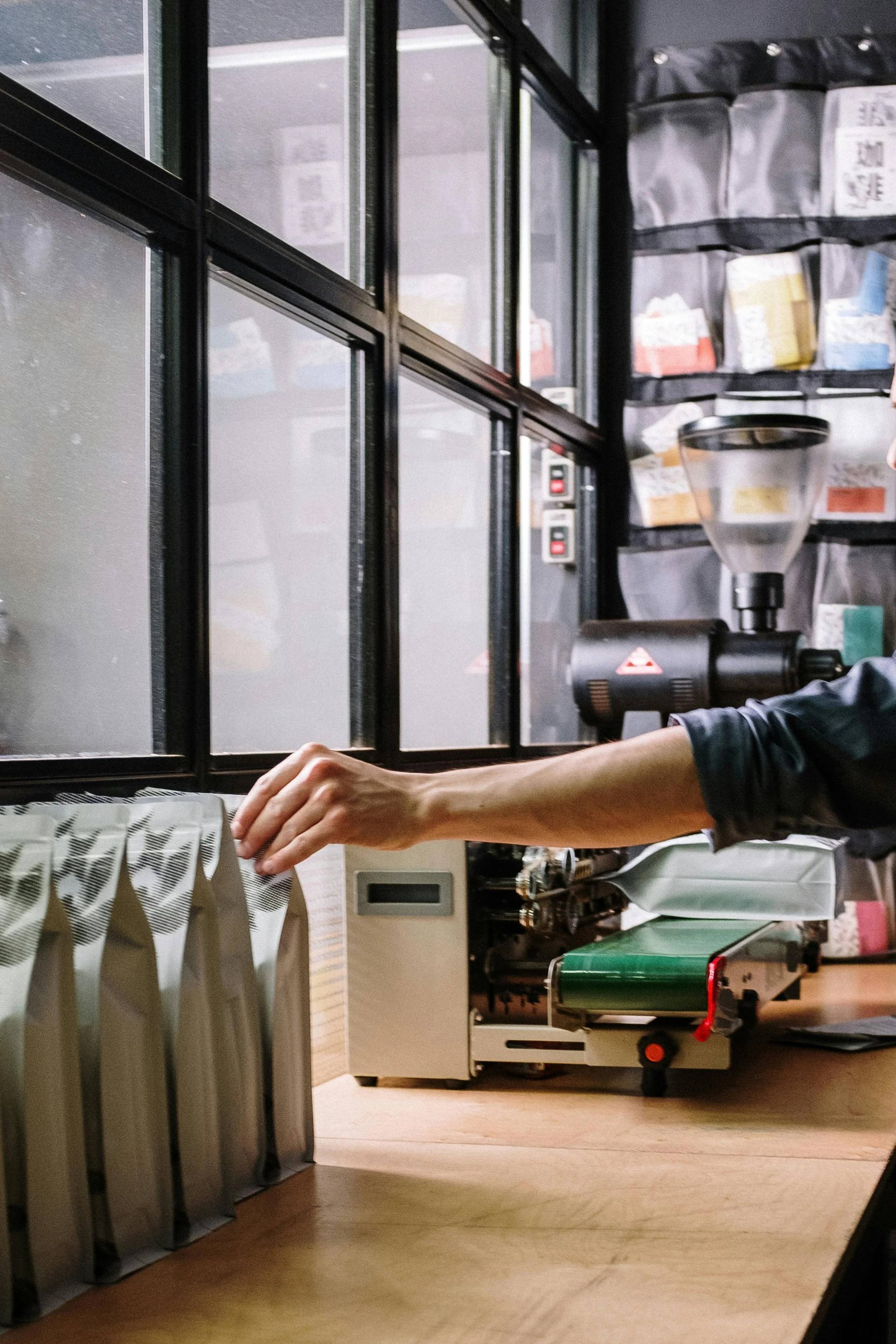
Once the structure is chosen, the design system is applied across SKUs. This includes origins, blends, seasonal releases, subscriptions, and wholesale offerings. The goal is consistency without every bag looking the same. Customers should recognize the brand instantly while still being able to tell each coffee apart easily.
Next comes production preparation. Files must be built correctly for print with proper color profiles, dielines, bleeds, and proofing. Samples are ordered, reviewed, and adjusted. Materials behave differently in hand than on a screen, and this phase is where packaging gets truly dialed in.
After production, the packaging becomes the anchor for everything else. Website product pages, photography, wholesale materials, market displays, and retail shelves all rely on that same packaging system. When it’s done right, the brand feels more established without changing the coffee itself.
The biggest mistake coffee roasters make is treating packaging as only a design project. It is also a functional system tied to freshness, shelf life, retail presence, shipping performance, and brand trust. When those parts are considered together, the packaging does exactly what it’s supposed to do.
At Service and Supply, we help coffee brands move through this process with intention, from material and valve decisions to design systems, print-ready files, and vendor coordination. The goal is simple: protect the coffee, clarify the brand, and make sure everything works in the real world.
